From Fixed to Fluid: 5 Daily Habits to Cultivate a True Growth Mindset
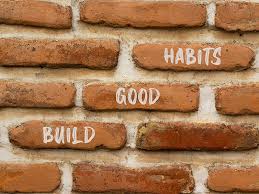
Table of Contents
Heart Foundation
The difference between those who achieve monumental success and those who plateau often isn’t raw talent, it’s their mindset. Psychologist Carol Dweck introduced the world to the powerful concept of the Fixed Mindset versus the Growth Mindset.
A Fixed Mindset believes abilities, intelligence, and talents are static gifts; you either have them or you don’t. A Growth Mindset, however, understands that everything, from skill to character, can be developed through dedication and hard work.
For a high-value individual, embracing a Growth Mindset is not optional, it’s the engine that powers continuous evolution.
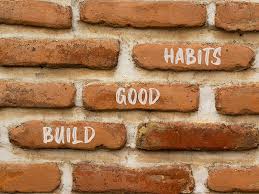
Here are 5 Daily Habits you can implement immediately to shift your thinking from fixed to fluid:
1. Reframe Failure as Data Collection (The ‘Not Yet’ Principle)
The Fixed Mindset views failure as a judgment: “I failed, therefore I am not good enough.” The emotional sting can halt progress entirely.
The Growth Mindset, in contrast, views failure as essential data.
- The Habit: When you face a setback, immediately replace the word “Failure” with the word “Data.” Ask yourself: “What did this data show me that I didn’t know before?”
- Action: Write down two specific lessons learned from the “data.” This simple act shifts your brain’s focus from shame to strategy. Remember Dweck’s key phrase: “I haven’t mastered it yet.”
2. Seek Out and Celebrate the Struggle
Most people shy away from tasks that feel challenging because struggle feels inefficient or even embarrassing. But challenge is precisely where neurological growth occurs. When you feel that friction, that moment of genuine confusion or difficulty, your brain is literally building new pathways.
- The Habit: Intentionally allocate time each day to an activity where you know you will struggle (e.g., learning a new language, mastering a complex software feature, tackling a difficult strategic problem).
- Action: When you feel the urge to give up, pause and tell yourself: “This resistance means I’m growing. I’m building strength right now.” The struggle is the work.
3. Practice Active Self-Correction, Not Self-Criticism
The internal voice of the Fixed Mindset is often harsh and absolute (“You are stupid,” “You always mess this up”). This voice paralyzes action. The Growth Mindset replaces this toxic monologue with a functional dialogue focused on improvement.
- The Habit: After completing a task or interaction, conduct a rapid “Self-Correction Review” instead of a Self-Criticism session.
- Action: Ask two specific questions: 1) What worked exceptionally well? (Acknowledge effort and success). 2) What one specific element could I adjust for a 5% improvement next time? (Focus on small, executable changes). This process is constructive, not punitive.
4. Cultivate Deep Curiosity About Other People’s Processes
The Fixed Mindset can lead to jealousy or intimidation when faced with someone else’s success. The thought is, “They were born with that talent.” The Growth Mindset sees successful people as walking textbooks.
- The Habit: Stop looking at success as a finished product and start viewing it as an editable process.
- Action: When you observe someone excelling in an area you admire, don’t just praise the result. Get curious about their “how.” Ask probing questions like: “What was your biggest early struggle with this skill?” or “What does your daily practice routine look like?” Seek the blueprint, not just the building.
5. Prioritize Effort Over Talent
In a Fixed Mindset, if something is easy, you attribute it to natural talent, which feels good but offers no pathway for growth. When something is hard, you attribute it to a lack of talent and quit.
To cultivate a Growth Mindset, you must reverse this: Praise the process and the effort.
- The Habit: Change the way you acknowledge your own achievements and those of others.
- Action: If a task was easy, acknowledge the effort that went into the prerequisite skills. Instead of saying, “You’re so smart,” say “Your dedication to practice really paid off on that project.” This reinforces the belief that effort is the true driver of mastery.
The shift from a Fixed to a Growth Mindset is the shift from passively judging who you are to actively deciding who you will become. Make these five habits your daily commitment to perpetual self-improvement.
 English
  Spanish